



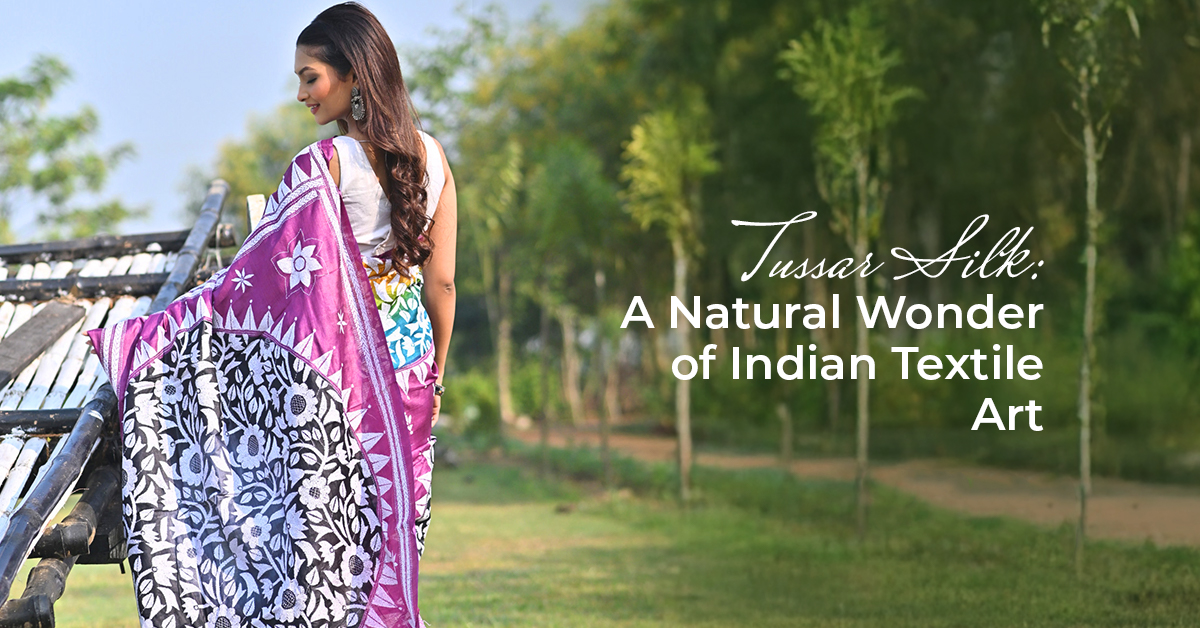
Tussar Silk: A Natural Wonder of Indian Textile Art
Welcome to the world of Tussar silk, a fabric that embodies timeless elegance and natural beauty. Known for its rich texture and captivating golden glow, Tussar silk fabric stands out as a unique creation in the vast landscape of Indian textiles. This wild silk, often called "Kosa silk," offers a lightweight and airy feel, making it a beloved choice for sarees. Are you ready to explore the journey of this remarkable material, from its origins in the forest to its place in the modern Understanding Tussar Silk: The Indian Heritage Tussar silk is deeply woven into the fabric of Indian textile art, with a heritage that stretches back for generations. It is a product of nature, sourced from wild silkworms that feed on trees in the forests of India. This connection to the wild gives it a character that is distinct from cultivated silks like mulberry silk. The Tussar silk industry has historically provided a livelihood for many rural and tribal communities. In particular, tribal women have been at the forefront of its production, passing down the intricate skills of rearing silkworms and reeling silk threads. A Tussar silk saree is unique because of its textured feel, natural golden color, and the untamed, organic process of its creation.
The History and Origin of Tussar Silk
The story of Tussar silk begins in the wild forests of India. Unlike cultivated silks, Tussar originates from several species of silkworms that live in their natural habitat. This untamed spirit of the wild silkworm is reflected in the fabric itself, which has a raw and earthy appeal that is impossible to replicate artificially. The origin is rooted in ancient practices, perfected over centuries by tribal artisans. The making of a Tussar silk saree is a testament to incredible craftsmanship. The process starts with the collection of cocoons from the forest, followed by the delicate task of reeling the silk threads. These threads are then woven on handlooms by skilled weavers, who transform them into beautiful sarees. It can take several days to complete a single 10-meter piece of this exquisite fabric. This traditional art form has been preserved and passed down through generations, especially in states like Jharkhand, Bihar, and West Bengal. The sarees often feature traditional motifs inspired by nature, reflecting the environment from which the silk is sourced. Each saree tells a story of heritage, nature, and human skill.
Regional Centers Famous for Tussar Saree Collection
Several regions in India are renowned for their contribution to the Tussar silk industry, each adding its unique touch to the sarees. Jharkhand is currently the largest producer of Tussar silk in the country, with its tribal artisans creating stunning pieces. However, the city of Bhagalpur in Bihar is perhaps the most famous, earning it the nickname "Silk City." Bhagalpuri Tussar sarees are celebrated for their exceptional quality and distinctive weaving techniques. These sarees beautifully blend traditional craftsmanship with contemporary designs. Other key regions have also mastered the art of Tussar weaving, contributing to the rich diversity of this textile. When looking to buy genuine sarees, seeking out products from these hubs or from trusted online retailers that source from them is a great start.- Bhagalpur, Bihar: Famous for Bhagalpuri Tussar sarees.
- Jharkhand: The country's biggest producer of Tussar fabric.
- West Bengal: Known for its fine weaving and artistic designs.
- Chhattisgarh & Madhya Pradesh: Home to Kosa silk, a variety of Tussar.
Unique Features and Characteristics of Tussar Silk Sarees
What makes Tussar silk so special? The main features of pure Tussar silk sarees lie in their distinct feel and appearance. The fabric has a unique texture that is slightly coarse yet surprisingly comfortable, setting it apart from the smoother finish of other silks. This texture allows the silk threads to catch the light in a special way. Furthermore, Tussar silk is known for its incredible natural sheen. This golden luster is inherent to the fiber and gives the saree a rich, luxurious look without being overly flashy. Its lightweight and airy nature also makes it a practical and elegant choice for various climates and occasions. Let's look closer at some of these standout qualities.
Natural Texture and Golden Sheen
One of the most defining characteristics of Tussar silk is its rich texture. Unlike the uniform smoothness of mulberry silk, Tussar has a noticeable coarse texture. When you run your fingers across the fabric, you can feel the natural irregularities of the wild silk fibers. This tactile quality gives the saree depth and a wonderfully organic feel. This unique texture is perfectly complemented by its signature natural gold sheen. The fibers have an inherent golden shine that radiates a warm, subtle glow. This isn't an artificial glitter but a deep luster that comes from the very structure of the silk. This quality makes a Tussar silk saree exceptionally beautiful, especially when it catches the light. Together, the texture and sheen create a fabric that is both understated and opulent. The golden shine enhances the natural, earthy tones of the silk, making each saree a piece of wearable art. It’s this combination that makes Tussar silk so different from other silk varieties and highly sought after by connoisseurs.
Breathability and Comfort in Indian Climate
Beyond its stunning appearance, Tussar silk is incredibly practical, especially in the warm and humid Indian climate. The fabric's porous nature is a key reason for its comfort. This quality allows air to circulate freely through the material, keeping you cool and comfortable even during long hours of wear. This breathability is a significant advantage over heavier silks. This high level of comfort makes Tussar silk sarees a preferred choice for a wide range of events, from daily wear to grand celebrations. You can drape yourself in the elegance of silk without feeling weighed down or overheated. The lightweight feel ensures you can move with ease and grace throughout the day. This blend of beauty and comfort is why Tussar silk sarees are so popular for festive and special occasions. You get the regal look of silk with the comfort of a much lighter fabric. Whether you're attending a wedding or a festival, a Tussar saree ensures you look and feel your best.
Traditional Designs and Patterns Found in Tussar Silk Sarees
Tussar silk sarees are a canvas for a stunning array of traditional designs and patterns. Many of these designs draw inspiration from nature, mythology, and the daily lives of the artisan communities. The natural colour of the silk provides a perfect backdrop for these intricate patterns, which can range from simple geometric shapes to elaborate stories woven into the fabric. The beauty of these sarees is often enhanced with traditional motifs that have been passed down through generations. These patterns can be created through weaving, printing, or embroidery, each technique adding a different dimension to the final piece. Let's explore some of the popular motifs and color palettes you'll find in these timeless garments.
Popular Motifs and Embroidery Styles
The decorative language of Tussar silk sarees is rich with classic motifs and intricate designs. Weavers and artisans often use patterns that reflect their cultural heritage and surroundings. Nature is a common muse, with floral prints, bird designs, and animal prints frequently appearing on the fabric. These motifs add a layer of storytelling and artistry to each saree. Embroidery is another popular way to embellish Tussar silk. Techniques like Kantha work, with its characteristic running stitch, add texture and color. Zari work, using gold or silver threads, lends a touch of opulence, making the saree suitable for more formal occasions. These intricate designs are meticulously handcrafted, ensuring that no two sarees are exactly alike. Some of the most cherished motifs and embroidery styles include:- Floral and Animal Prints: Celebrating the natural world from which the silk originates.
- Kantha Work: A traditional embroidery style from West Bengal.
- Zari Work: Metallic threadwork that adds a festive shimmer.
- Geometric Patterns: Timeless and elegant, often used in borders and pallus.
Classic Color Palettes and Dyeing Techniques
The natural, creamy gold hue of Tussar silk is beautiful on its own, but it also serves as an excellent canvas for a wide range of colors. Traditional dyeing techniques often use natural dyes derived from plants, flowers, and minerals. This eco-friendly process results in a beautiful, earthy palette that complements the fabric's texture perfectly. While the natural colour remains a classic choice, modern Tussar sarees are available in a breathtaking spectrum. You can find everything from a subtle dual tone tussar saree in pista green to a vibrant red tussar saree or a deep blue tussar saree. The porous nature of the silk allows it to absorb dyes well, resulting in rich, lasting colors. The color choices often enhance the saree's overall design. Some sarees feature a single, bold color, while others play with contrasts, such as in a dual tone tussar saree. Popular options include earthy tones like beige, brown, and mustard, as well as brighter shades like magenta, turquoise, and pink, offering a perfect Tussar for every taste and occasion.
The Making of Tussar Silk Sarees: Craftsmanship Explained
The creation of a Tussar silk saree is a labor of love, showcasing the incredible skill of Indian artisans. The entire production of Tussar silk, from the forest to the final fabric, is a meticulous process that relies on traditional knowledge and techniques. The handloom industry is the backbone of this craft, with weavers spending days to create a single masterpiece. This intricate process involves several key stages, each requiring precision and expertise. The journey begins with the wild silkworms and ends with a beautifully finished saree ready to be worn. Let's explore the fascinating steps of cocoon harvesting, silk reeling, and handloom weaving that bring this fabric to life.
Cocoon Harvesting and Silk Reeling
The journey of Tussar silk, also known as Kosa silk, starts in the wilderness. Unlike farmed silkworms, wild silkworms feed on the leaves of specific trees in their natural forest habitat. Tribal artisans, who have a deep understanding of the ecosystem, carefully collect the cocoons once the moths have emerged or are ready to be harvested. This connection to the wild is what gives Tussar its unique properties. Once the cocoons are gathered, the next crucial step is silk reeling. This is the delicate process of extracting the fine silk threads from the cocoons. It requires immense skill and accuracy to unwind the filament without breaking it. The soft silk fibers are carefully reeled into a single, continuous thread that is then prepared for the dyeing and weaving stages. The strength and texture of the final fabric depend heavily on the quality of the reeling. The artisans' expertise ensures that the silk threads are strong and consistent, ready to be transformed into the luxurious Tussar fabric that is cherished worldwide.
Handloom Weaving and Finishing Processes
After the silk threads are dyed, they are taken to the heart of the handloom industry: the weaver's loom. Here, skilled artisans begin the magical process of weaving. The dyed threads are first warped, which involves stretching the vertical threads (warp) on the loom. This step sets the length and width of the saree and forms the foundation for the entire design. With the warp in place, the weaver skillfully interlaces the horizontal threads (weft) to create the fabric. Using a shuttle, they pass the weft threads through the warp, building the saree row by row. This is where intricate designs, borders, and patterns come to life. Optional techniques like Ikat, which involves tie-dyeing the threads before weaving, can be used to create unique patterns. Once the weaving is complete, the fabric goes through the final finishing processes. These treatments may include washing, polishing, and sometimes calendering to enhance the fabric's natural sheen and texture. This final touch ensures the saree drapes beautifully and has a luxurious feel.
How to Identify Authentic Tussar Silk Sarees When Shopping Online
When you're shopping for Tussar silk sarees, especially online, it's important to know how to spot the real deal. Authentic, pure Tussar silk has a few tell-tale signs that can help you distinguish it from imitations or blends. The unique texture and natural look are key visual indicators you can look for, even in photographs. Being able to recognize these characteristics will give you the confidence to invest in a genuine handwoven piece. From the feel of the fabric to its inherent imperfections, there are several clues that point to authenticity. Let's review some specific tips on what to look for based on texture, touch, and visual cues.
Texture, Touch, and Visual Indicators
One of the most reliable ways to identify authentic Tussar silk is by its texture. Pure Tussar has a distinctly coarser texture compared to smoother silks. This rich texture is a hallmark of its wild silk origins. When you look at high-resolution images online, you should be able to see this uneven, slightly rough surface. Another key indicator is the natural sheen. Authentic Tussar silk has a subtle, warm golden glow rather than a bright, artificial shine. Hold the saree up to a light source if you can, or observe how it reflects light in photos. A genuine piece will have a muted, natural luster. Small irregularities in the weave, like tiny knots or variations in thread thickness, are also signs of a handwoven product. Here are a few visual checks you can perform:- Coarse Texture: Look for a fabric that doesn't appear perfectly smooth.
- Natural Sheen: The glow should be subtle and golden, not shiny or metallic.
- Uneven Weave: Small imperfections and variations are a sign of authenticity.
- Color Variation: Expect subtle, natural variations in color rather than a flat, uniform dye.
Caring Tips for Your Tussar Silk Saree
A Tussar silk saree is a precious addition to your wardrobe, and with the right care, it can last for generations. Due to its delicate nature and unique texture, it requires special attention when it comes to cleaning, maintenance, and storage. Following a few simple guidelines will help in preserving the silk's natural beauty and sheen. The best approach is to be gentle. Harsh chemicals, improper washing, and incorrect storage can damage the delicate fibers and intricate work. Let's go over the essential tips for cleaning and storing your beloved Tussar sarees to keep them looking pristine for years to come.Cleaning, Maintenance, and Storage Guidelines
Proper maintenance is key to the longevity of your Tussar silk saree. The most important rule for cleaning is to opt for professional dry cleaning. Home washing can cause color bleeding, shrinkage, or damage to delicate embroidery and zari work. Entrusting your saree to a professional ensures it is cleaned safely and effectively. When it comes to storage, a few precautions can make a big difference. Never store your saree in a plastic bag, as this can trap moisture and lead to mildew. Instead, wrap it in a soft, breathable cotton or muslin cloth. This protects the fabric from dust and light while allowing it to breathe. Follow these simple storage guidelines for best results:- Dry Clean Only: This is the safest cleaning method for Tussar silk.
- Fold Gently: Avoid sharp creases by folding the saree gently. Refold it periodically to prevent breaks along the fold lines.
- Store in a Cool, Dark Place: Direct sunlight can fade the colors, so choose a dark, dry wardrobe.
- Use Natural Moth Repellents: Avoid chemical mothballs. Use cedar blocks or neem leaves instead.
Preserving the Quality and Longevity of Tussar Silk
Preserving the quality of your Tussar silk is all about mindful handling and care. Before you even wear your saree, apply perfumes, deodorants, or hairsprays first and let them dry completely. The chemicals in these products can stain or damage the delicate silk fibers over time. Always handle your saree with clean hands to avoid transferring oils and dirt onto the fabric. To ensure its longevity, avoid hanging your Tussar saree for long periods. The weight of the saree, especially if it has heavy embellishments, can stretch and distort the fabric's shape. Gentle folding is the preferred method for storage. If you need to iron out wrinkles, use the lowest heat setting and place a thin cotton cloth between the iron and the saree to protect it from direct heat. By taking these simple measures, you can maintain the stunning beauty of your Tussar silk. A well-cared-for saree will remain a timeless and elegant choice for all your special occasions, ready to be passed down as a cherished heirloom.
Conclusion
In conclusion, Tussar silk is not just a fabric; it embodies the rich heritage and craftsmanship of Indian textile art. With its unique texture, natural sheen, and sustainable qualities, it's an excellent choice for anyone looking to add elegance to their wardrobe. Understanding how to identify authentic Tussar silk and care for it will ensure you enjoy its beauty for many years to come. Whether you're dressing for a festive occasion or seeking a timeless piece for your everyday wear, Tussar silk sarees can elevate your style while being eco-friendly. If you're ready to explore the world of Tussar silk sarees, visit Ramshyam Collections to discover the perfect piece for you!Frequently Asked Questions
Why are Tussar silk sarees considered eco-friendly?
Tussar silk sarees are considered an eco-friendly silk saree choice because they are made from wild silk. The wild silkworms live in natural forests, not on cultivated farms, reducing the environmental footprint. This makes the production of this sustainable silk saree more harmonious with nature, preserving the ecosystem while creating a fabric with a beautiful natural sheen.
Are vegan or sustainable options available for Tussar silk sarees?
Yes, sustainable options are available. Since Tussar is a wild silk, it's already a more eco-friendly silk choice. For a vegan saree option, look for "Ahimsa" or "peace silk." In this method, the silk is processed from cocoons only after the moth has naturally emerged, ensuring no harm to the silkworm.
Where can I buy genuine Tussar silk sarees online in India?
You can buy genuine pure Tussar silk sarees from trusted online stores with a reputation for selling authentic handloom products. Many stores offer the latest collections, including sought-after varieties like Bhagalpuri Tussar sarees, directly from weaving communities.-
How to Wear Cotton Sarees for Both Formal and Casual Occasions
January 21st, 2026 -
 January 20th, 2026
 -

Kantha Work Sarees: The Perfect Choice for Festivals and Special Occasions
January 19th, 2026 -
Bridal Magic: Why Katan Silk Sarees Make the Best Wedding Dresses
January 17th, 2026 -
 January 15th, 2026